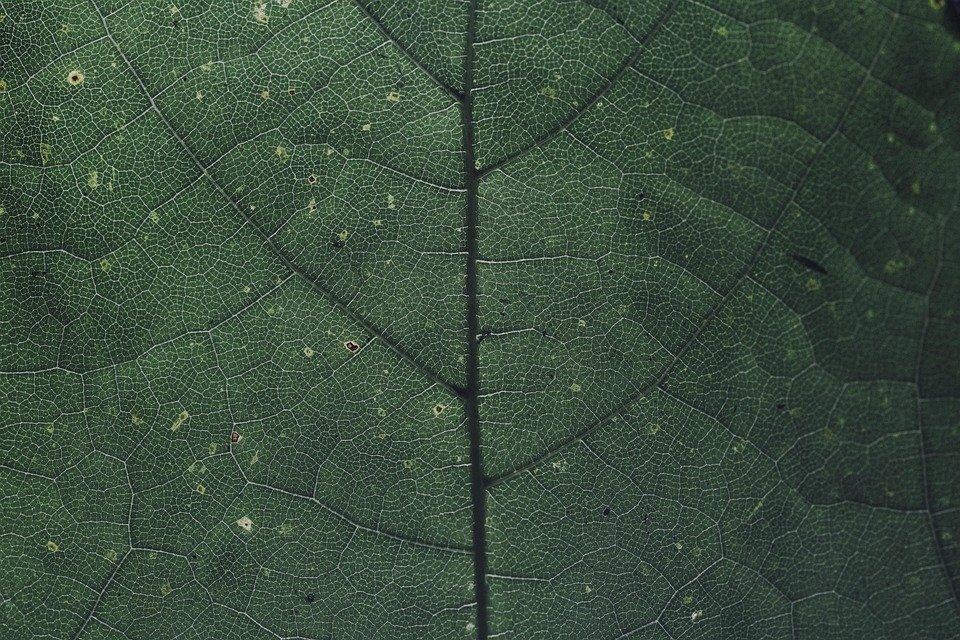
Introduction to Chlorophyll
Chlorophyll is a green pigment found in plants, algae, and cyanobacteria that plays a critical role in the process of photosynthesis. This pigment absorbs light energy, primarily from the sun, and converts it into chemical energy in the form of glucose. The two main types of chlorophyll, chlorophyll a and chlorophyll b, each have distinct roles and characteristics that contribute to the efficiency of photosynthesis.
The Structure of Chlorophyll
Chlorophyll molecules contain a porphyrin ring structure with a central magnesium atom. This structure is essential for light absorption. The difference between chlorophyll a and chlorophyll b lies in their molecular structure, specifically in the side chains attached to the porphyrin ring.
- Chlorophyll a: Has a methyl group (-CH3) at the carbon position 3 of the porphyrin ring. It is the primary pigment involved in photosynthesis, directly participating in the conversion of light energy to chemical energy.
- Chlorophyll b: Contains a formyl group (-CHO) at the same position, which alters its light absorption properties. Chlorophyll b assists in capturing light energy and transfers that energy to chlorophyll a.
The Role of Chlorophyll in Photosynthesis
Photosynthesis occurs in the chloroplasts of plant cells and can be broadly divided into two main stages: the light-dependent reactions and the light-independent reactions (Calvin cycle). Chlorophyll a and b play vital roles in both stages.
1. Light-Dependent Reactions
During the light-dependent reactions, chlorophyll absorbs sunlight, leading to the excitation of electrons. This process occurs in the thylakoid membranes of the chloroplasts. The absorbed light energy is used to split water molecules (photolysis), releasing oxygen as a byproduct and generating energy-rich compounds such as ATP (adenosine triphosphate) and NADPH (nicotinamide adenine dinucleotide phosphate).
2. Light-Independent Reactions (Calvin Cycle)
The ATP and NADPH produced during the light-dependent reactions are utilized in the Calvin cycle. Although chlorophyll does not directly participate in this cycle, it is integral to generating the energy required for converting carbon dioxide into glucose. Chlorophyll a and b ensure that sufficient light energy is captured to drive these energy-demanding reactions.
Absorption Spectrum of Chlorophyll
Chlorophyll absorbs light most efficiently in the blue (around 430 nm) and red (around 660 nm) regions of the electromagnetic spectrum, which contributes to the green appearance of most plants. Since chlorophyll b absorbs light in slightly different wavelengths, it allows plants to utilize a broader range of the light spectrum, maximizing photosynthesis efficiency.
Conclusion
Understanding the roles of chlorophyll a and b underscores the fundamental processes of photosynthesis, which sustain life on Earth by converting solar energy into chemical energy. This remarkable efficiency not only supports plant growth but also provides oxygen and organic compounds necessary for the survival of almost all living organisms.