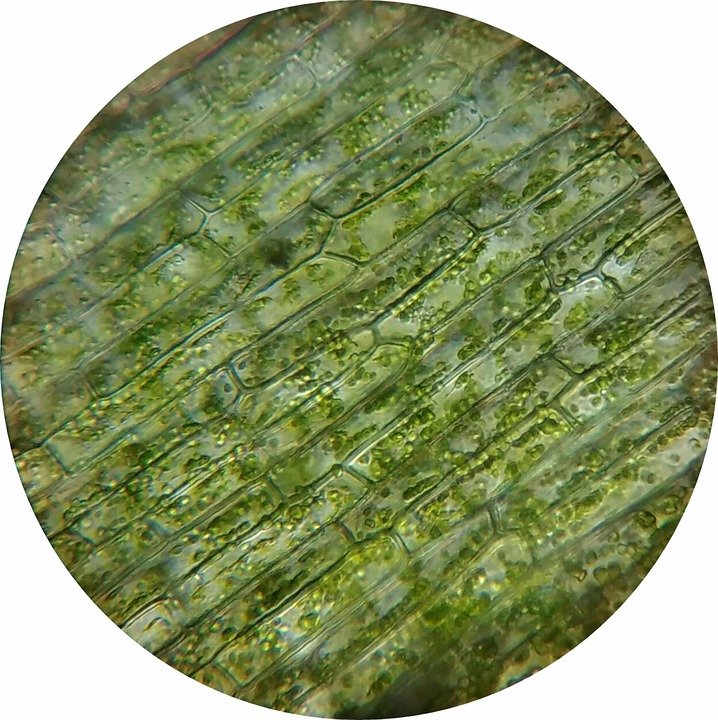
Introduction to Chloroplasts
Chloroplasts are specialized organelles found in plant cells and some algal cells. They play a crucial role in the process of photosynthesis, which converts light energy into chemical energy stored in glucose. Understanding the structure and function of chloroplasts is essential to comprehending how plants produce food and oxygen, supporting life on Earth.
Structure of Chloroplasts
Chloroplasts have a distinctive structure that facilitates their function in photosynthesis. They are surrounded by a double membrane and contain internal structures known as thylakoids, which are organized into stacks called grana. The space surrounding the thylakoids is known as the stroma. Key components include:
- Outer Membrane: A smooth membrane that controls the entry and exit of molecules.
- Inner Membrane: Contains transport proteins that regulate the movement of materials.
- Thylakoids: Membrane-bound compartments where light-dependent reactions occur; chlorophyll, the green pigment, is located here.
- Stroma: The fluid-filled space surrounding the thylakoids, containing enzymes necessary for the light-independent reactions.
Function of Chloroplasts in Photosynthesis
The primary function of chloroplasts is to conduct photosynthesis, which can be divided into two main stages: light-dependent reactions and the Calvin cycle (light-independent reactions).
1. Light-Dependent Reactions
These reactions take place in the thylakoid membranes and require sunlight. Key steps include:
- Light absorption by chlorophyll, which energizes electrons.
- Water molecules are split, releasing oxygen as a byproduct.
- Energy from electrons is used to create ATP and NADPH, energy carriers that will be utilized in the next stage.
2. Calvin Cycle (Light-Independent Reactions)
The Calvin cycle occurs in the stroma and does not directly require light. Instead, it uses ATP and NADPH generated in the light-dependent reactions to convert carbon dioxide into glucose. Key points include:
- Carbon fixation, where carbon dioxide is incorporated into organic molecules.
- Reduction phase, in which ATP and NADPH are used to convert these organic molecules into glyceraldehyde-3-phosphate (G3P).
- Regeneration of ribulose biphosphate (RuBP), allowing the cycle to continue.
The Importance of Chloroplasts to Ecosystems
Chloroplasts are vital for life on Earth as they enable photosynthesis, a process that produces oxygen and organic compounds, which are fundamental to the survival of nearly all living organisms. The implications of photosynthesis extend beyond plants:
- Oxygen Production: Photosynthesis contributes to the oxygen content of the atmosphere, essential for aerobic life forms.
- Food Supply: Plants serve as primary producers in ecosystems, forming the base of food chains.
- Carbon Cycling: Photosynthesis plays a key role in the carbon cycle, helping to regulate atmospheric CO2 levels and mitigate climate change.
Conclusion
Chloroplasts are not merely organelles; they are dynamic powerhouses that fuel the process of photosynthesis, sustaining life on Earth. Their complex structure and essential functions highlight the intricate interplay between light, energy, and life itself. Understanding chloroplasts enhances our appreciation of the natural world and points to the importance of plant life in maintaining ecological balance.