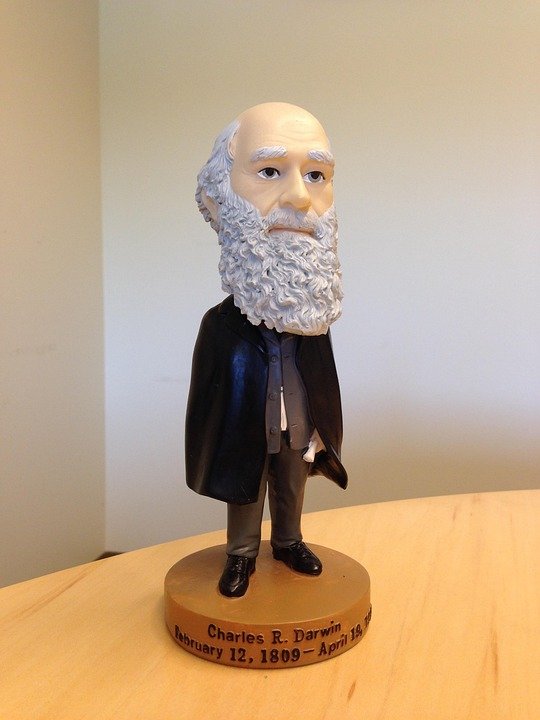
Natural selection is a fundamental mechanism of evolution, first articulated by Charles Darwin in the 19th century. It explains how species adapt to their environments through a process shaped by variation, competition, and survival. This article aims to provide a clear understanding of natural selection and its pivotal role in Darwin’s evolutionary theory.
Key Concepts of Natural Selection
Natural selection operates on the principle that individuals within a species exhibit variation in traits, some of which may confer a survival advantage. The following are critical components of natural selection:
- Variation: Populations of organisms exhibit differences in physical and behavioral traits. These variations can be due to genetic differences, which arise through mutations, recombination, and other genetic processes.
- Competition: Resources such as food, mates, and habitat are limited, leading to competition among individuals. Not all offspring will survive to adulthood, resulting in a struggle for existence.
- Survival of the Fittest: This phrase does not necessarily mean the strongest or most physically powerful individuals survive. Rather, it refers to those best adapted to their environment, allowing them to reproduce more effectively.
- Reproduction: Individuals that possess advantageous traits are more likely to survive, reproduce, and pass these traits onto their offspring, leading to a gradual change in the population over generations.
The Process of Natural Selection
Natural selection can be summarized in a series of steps:
- Observation of Variability: Within any given population, traits vary among individuals.
- Survival Challenges: Environmental pressures (such as predation, climate, and resources) create challenges for survival.
- Reproductive Success: Individuals with advantageous traits are more successful in surviving and reproducing, leading to more offspring carrying those traits.
- Gradual Changes: Over many generations, the traits that enhance survival become more common in the population, illustrating the process of adaptation.
Evidence of Natural Selection
Natural selection is supported by a wealth of scientific evidence, including:
- Fossil Record: The fossil record captures changes in species over time, demonstrating how organisms adapt to changing environments.
- Comparative Anatomy: Similarities in the anatomy of different species suggest common ancestry and provide insight into how certain traits have evolved.
- Genetics: Advances in genetics have illuminated how traits are inherited and how genetic variation plays a crucial role in natural selection.
- Observational Studies: Numerous studies have documented real-time examples of natural selection in various species, such as the finches of the Galapagos Islands that exhibit beak size variation based on available food sources.
Conclusion
Natural selection is a cornerstone of modern evolutionary biology. It explains how species evolve and adapt over time through the differential survival and reproduction of organisms based on inherent variations. Understanding natural selection enhances our knowledge of biodiversity and the intricate relationships between organisms and their environments.