Introduction
Butterflies are remarkable creatures, known for their vibrant colors and delicate wings. Their life cycle is a fascinating example of biological metamorphosis, representing one of nature’s most complex transformations. This article explores the four distinct stages of a butterfly’s life cycle, providing a comprehensive understanding of their development.
The Four Stages of Metamorphosis
The life cycle of a butterfly consists of four primary stages: egg, larva (caterpillar), pupa (chrysalis), and adult butterfly. Each of these stages serves a critical role in the butterfly’s overall development.
-
1. Egg
The life cycle begins when a female butterfly lays eggs, usually on the leaves of host plants. The eggs are often small and vary in shape and color depending on the species. This stage typically lasts from a few days to several weeks, depending on environmental conditions.
-
2. Larva (Caterpillar)
Once the eggs hatch, the larvae emerge as caterpillars. This stage is primarily focused on growth and feeding. Caterpillars consume large amounts of plant material to accumulate energy reserves. They undergo several molts, during which they shed their skin to accommodate their growing bodies. This stage can last from a few weeks to several months.
-
3. Pupa (Chrysalis)
After reaching their full size, caterpillars enter the pupal stage, where they form a protective casing known as a chrysalis. Inside the chrysalis, the caterpillar undergoes a remarkable transformation as it reorganizes its tissues and develops into a butterfly. This process, called histolysis and histogenesis, can take several days to months, depending on the species and environmental conditions.
-
4. Adult Butterfly
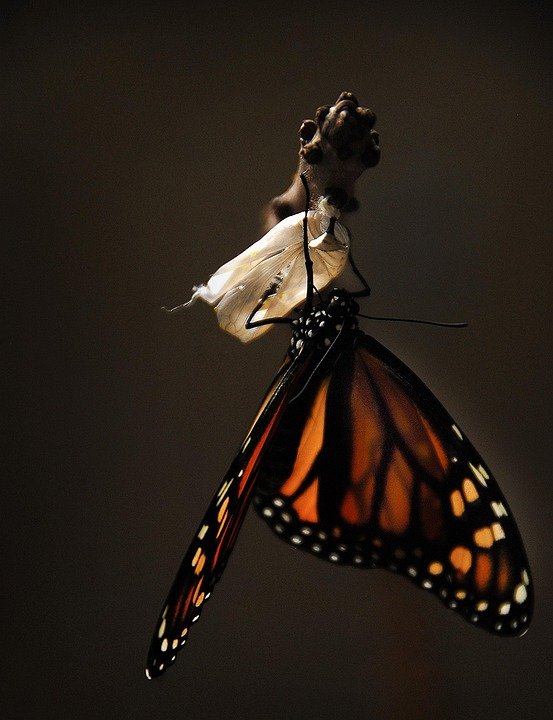
Once the transformation is complete, the adult butterfly emerges from the chrysalis. Initially, its wings are crumpled and wet, but they soon expand and dry, allowing the butterfly to fly. The adult stage is primarily focused on reproduction, with butterflies mating and laying eggs to continue the cycle. This stage can live from a few weeks to several months, depending on the species.
The Importance of Metamorphosis
Metamorphosis is not just a fascinating biological process; it also plays essential roles in the ecosystem. For instance, larvae (caterpillars) contribute to the food web by serving as prey for various animals. Additionally, adult butterflies are vital pollinators, aiding in the reproduction of flowering plants.
Environmental Factors Affecting Metamorphosis
Butterflies are highly sensitive to environmental conditions. Factors such as temperature, humidity, and availability of food sources can significantly influence their development. Understanding these influences can help in conservation efforts aimed at preserving butterfly populations and their habitats.
Conclusion
The life cycle of butterflies is a remarkable example of metamorphosis in the natural world. Understanding each stage of this process enhances our appreciation for these insects and their role in the ecosystem. Conservation of butterflies and their habitats is crucial, as they serve as important indicators of environmental health.